
“Why is my hair falling so much?” “Will it grow back?” “Should I start minoxidil?” “Is PRP better than GFC?” “Are exosomes the newest option?” These are the questions most people have in mind when they start looking for Hair Fall Treatment Ghaziabad, usually right after the shedding becomes hard to ignore. The confusion is …


“Why is my hair falling so much?” “Will it grow back?” “Should I start minoxidil?” “Is PRP better than GFC?” “Are exosomes the newest option?”
These are the questions most people have in mind when they start looking for Hair Fall Treatment Ghaziabad, usually right after the shedding becomes hard to ignore. The confusion is understandable. Hair fall is not a single condition, so no single treatment works for everyone.
At Derma Redefined, Dr. Sampurna Verma starts by finding the cause and checking how healthy the follicles are. Only then is a treatment chosen to suit your type of hair loss, which is how hair fall treatment in Ghaziabad should work at a trusted clinic.
Is Losing Hair Every Day Normal?
Yes. Hair goes through cycles of growth, rest and shedding, so losing around 50 to 100 hairs a day can be completely normal. What matters is not one day’s count but a lasting change: more hair on your pillow or in the shower drain, heavier shedding while washing, a widening parting, a receding hairline or a scalp that looks more visible over time. If you notice these signs, it is worth speaking to a specialist about Hair Fall Treatment Ghaziabad early, before the thinning progresses.
Why is My Hair Suddenly Falling so Much?

Sometimes the trigger happened months before the hair fall became obvious.
High fever or infection, COVID or another illness, surgery, severe stress, rapid weight loss, restrictive dieting, childbirth, nutritional deficiencies and hormonal or thyroid problems can trigger heavy shedding known as telogen effluvium. It often shows up after a delay, which is why people rarely connect the hair fall with the original event. In such cases, the right Hair Fall Treatment Ghaziabad begins with finding that trigger, not just treating the scalp.
In other people, the problem is gradual rather than sudden, typically pattern hair loss or androgenetic alopecia, where genetically susceptible follicles slowly become thinner and produce finer hairs. Here, hair fall treatment in Ghaziabad works best when it starts early.
Can Hair Fall Be Stopped Completely?

The answer depends on the cause.
When the trigger for heavy shedding is found and corrected, the shedding can settle and the follicles can slowly return to their normal growth cycle. Pattern hair loss is different: treatment focuses on slowing its progress, protecting the follicles you still have and improving hair density and thickness.
That is why starting Hair Fall Treatment Ghaziabad early can make a real difference.
Do I Need Medicines for Hair Loss?

Sometimes, yes, and medication remains an important part of evidence-based hair-loss treatment.
Minoxidil can stimulate hair growth and is used for several forms of pattern hair loss. In suitable men with androgenetic alopecia, prescription medicines such as finasteride may also be considered once a dermatologist has examined the individual. Medicines are a core part of Hair Fall Treatment Ghaziabad, and an experienced Hair Specialist Doctor in Ghaziabad can choose the right one for your specific condition.
The important point is that medicines are not automatically “strong” or “weak” treatments. They work differently from regenerative procedures and may form the foundation of hair fall treatment in Ghaziabad for some patients.
Is PRP Still Useful for Hair Fall?
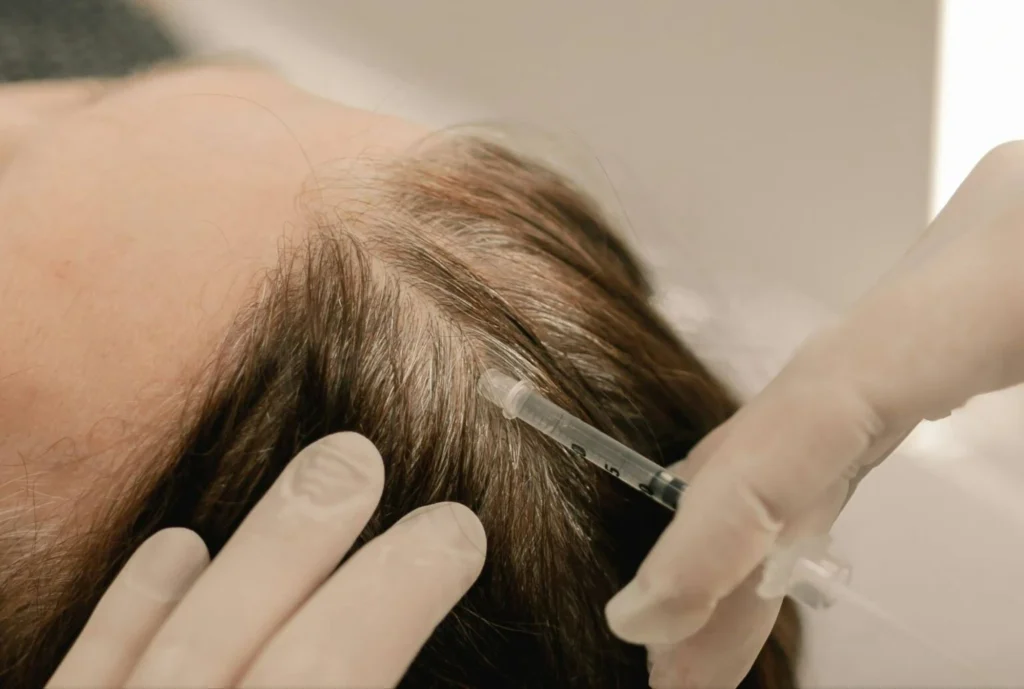
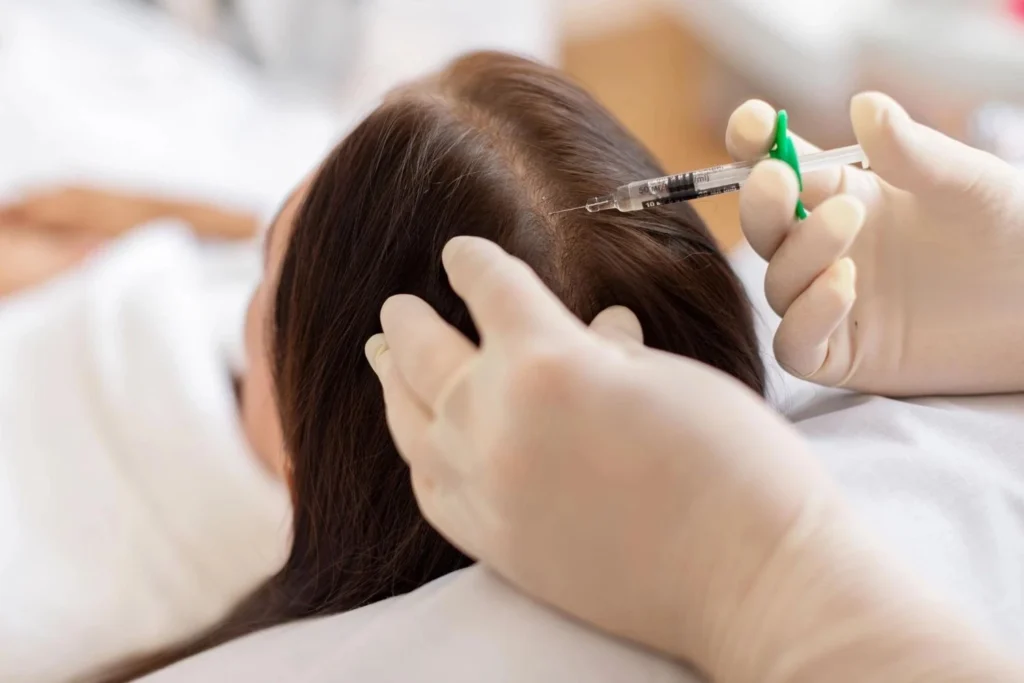
Yes. PRP treatment in Ghaziabad, using Platelet-Rich Plasma, remains an important non-surgical option for selected patients, particularly those with pattern hair loss.
PRP uses a concentrate of the patient’s own platelets, taken from their blood and injected into the thinning areas of the scalp. Clinical research supports improvements such as better hair density in appropriately selected patients, which is why PRP is often part of a broader Hair Fall Treatment Ghaziabad plan.
What is GFC Hair Treatment, and Is It Different from PRP?
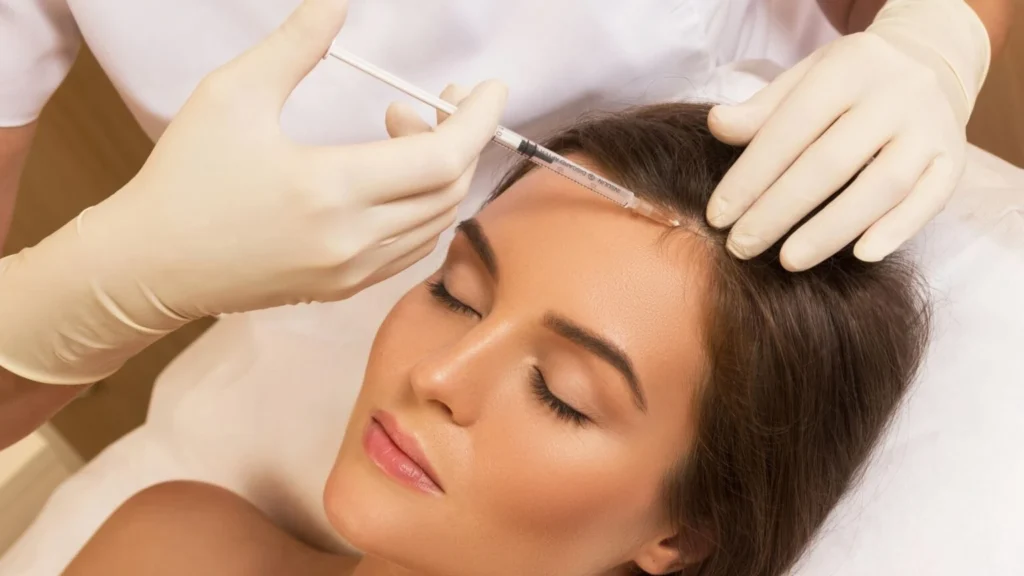
GFC (Growth Factor Concentrate) is a newer regenerative approach that delivers concentrated growth factors to the scalp.
Early clinical studies have reported better hair density and hair diameter with concentrated growth-factor treatments, and a 2026 randomized trial in female pattern hair loss found a significant improvement in hair counts with CGF-based treatment. For anyone comparing options for Hair Fall Treatment Ghaziabad, this is a promising choice.
The practical question, however, is not simply “PRP or GFC?” It is which regenerative approach fits the patient’s diagnosis, the degree of miniaturisation and the overall treatment plan. A good hair fall treatment in Ghaziabad is matched to the person, not to a trend.
Are Exosomes the Latest Treatment for Hair Loss?

Exosome-based hair therapy is one of the newer areas of regenerative dermatology and is getting a lot of attention.
Early human studies have reported better hair density and thickness. However, studies use different exosome sources, preparations and delivery methods, so protocols are not yet uniform.
Recent systematic reviews describe the treatment as promising while calling for larger, better-standardized clinical trials. This makes proper medical evaluation especially important if you are considering exosomes as part of Hair Fall Treatment Ghaziabad, because newer therapies should be chosen carefully and not just because they are new.
What if My Hair is Thinning but I am Not Actually Losing Handfuls of Hair?
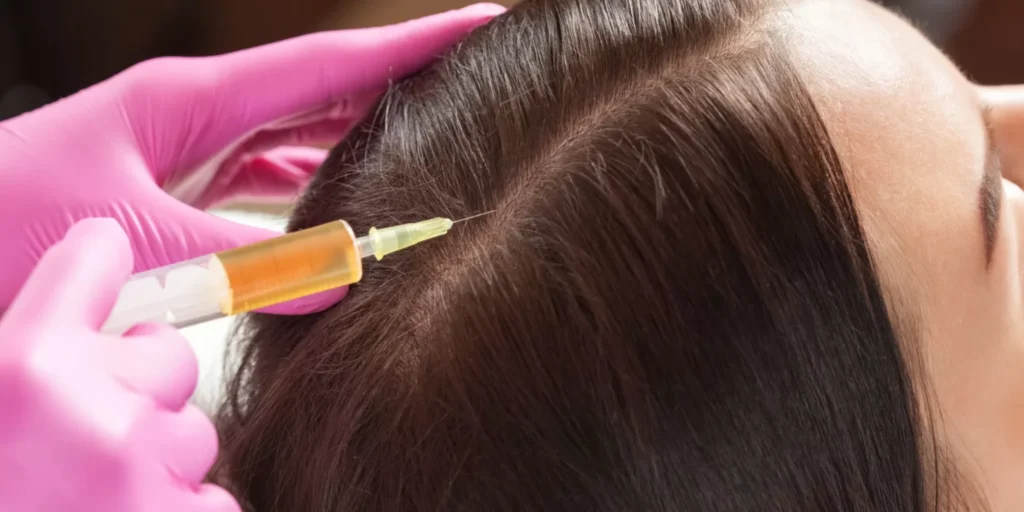
This is extremely common.
Pattern hair loss can progress quietly. You may notice that your ponytail feels thinner, your centre part looks wider, your hairline is changing or your crown looks different in photographs, even though you do not see dramatic shedding.
This is follicular miniaturisation, and it is one reason the Best Dermatologist in Ghaziabad may use trichoscopy to look at the scalp and hair shafts more closely. It also helps decide the right Hair Fall Treatment Ghaziabad for your type of hair loss.
Can Thinning Hair Become Thick Again?
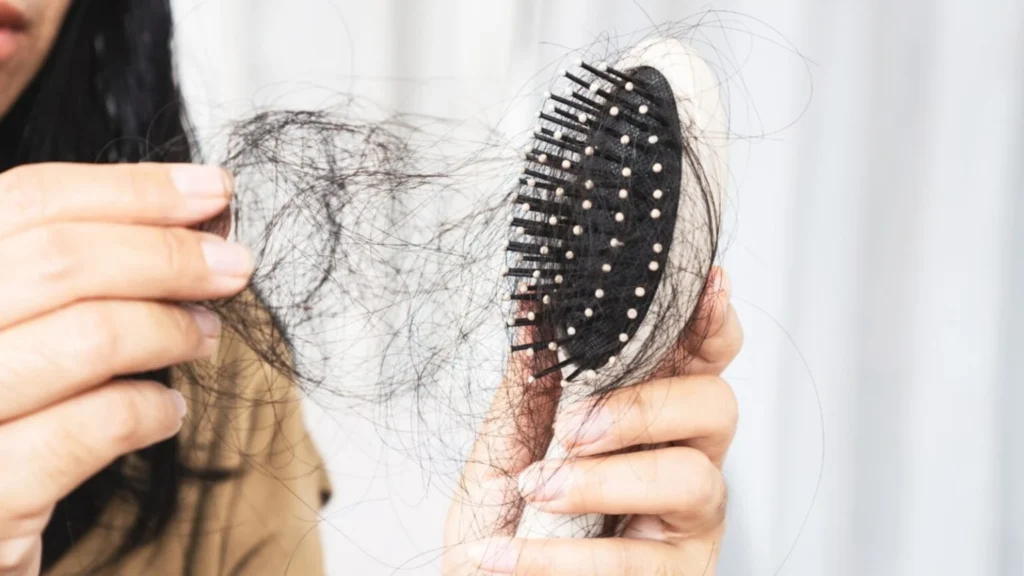
When follicles are still viable but producing thinner and thinner hairs, treatment can often improve hair calibre and density.
But if follicles have been permanently lost in advanced areas of baldness, medicines and regenerative therapies cannot recreate them. This is why early Hair Fall Treatment Ghaziabad matters so much.
In selected advanced cases, hair transplantation may become part of the discussion.
What is the Right Hair Fall Treatment for Me?
There is no universal “best hair treatment.”
A person with postpartum shedding may need a very different approach from someone with male pattern baldness. Someone with a nutritional deficiency needs a different strategy from someone with progressive follicular miniaturisation.
At Derma Redefined, Dr. Sampurna Verma in Ghaziabad takes a diagnosis-first approach to Hair Fall Treatment Ghaziabad: identify the type of hair loss, assess the scalp and follicles, address correctable triggers, and then combine medical and regenerative treatments where appropriate.
If your hair fall has changed noticeably, don’t wait until the thinning becomes obvious. Early dermatological assessment can help protect the hair you still have and give you a clearer, evidence-based path toward healthier hair. Visit Derma Redefined today to book a consultation and take the first confident step toward fuller hair.
Frequently Asked Questions
How long does hair fall treatment take to show results?
Most people need at least three to six months of consistent treatment before they see visible improvement. Shedding may slow down earlier, but new growth takes time. The exact timeline depends on the cause of hair loss and the treatment chosen.
Is hair fall in women different from hair fall in men?
Often, yes. Women more commonly notice diffuse thinning, a widening parting or a thinner ponytail rather than a receding hairline. Postpartum changes, thyroid problems, nutritional deficiencies and hormonal conditions are common triggers, so a proper evaluation matters.
Can nutritional deficiencies cause hair fall?
Yes. Low iron, vitamin D, vitamin B12 or inadequate protein intake can contribute to excessive shedding. It is better to get tested and correct a proven deficiency than to start supplements on your own.
Can stress cause hair fall?
Severe physical or emotional stress can push many hairs into the resting phase together, leading to telogen effluvium. The shedding usually shows up a few months after the stressful event and often settles once the trigger is addressed.
Are PRP and GFC hair treatments painful? Is there downtime?
Both involve fine injections into the scalp, so mild discomfort is possible, and numbing is often used to keep it manageable. Most people return to normal activities quickly, but your dermatologist will give instructions specific to you.
When should I see a dermatologist for hair fall?
See a dermatologist if shedding continues for several weeks, your parting is widening, your hairline is receding, you notice bald patches, or your scalp is itchy or painful. Hair fall after a major illness, childbirth or rapid weight loss also deserves evaluation.
Do I have to continue treatment for life?
It depends on the type of hair loss. Shedding caused by a temporary trigger often settles once the trigger is corrected. Pattern hair loss is ongoing, so maintenance treatment is usually needed to hold on to the improvement, and your dermatologist will advise what is appropriate for you.
Book an Appointment
It’s easy and free!